
By Canol Ojukwu
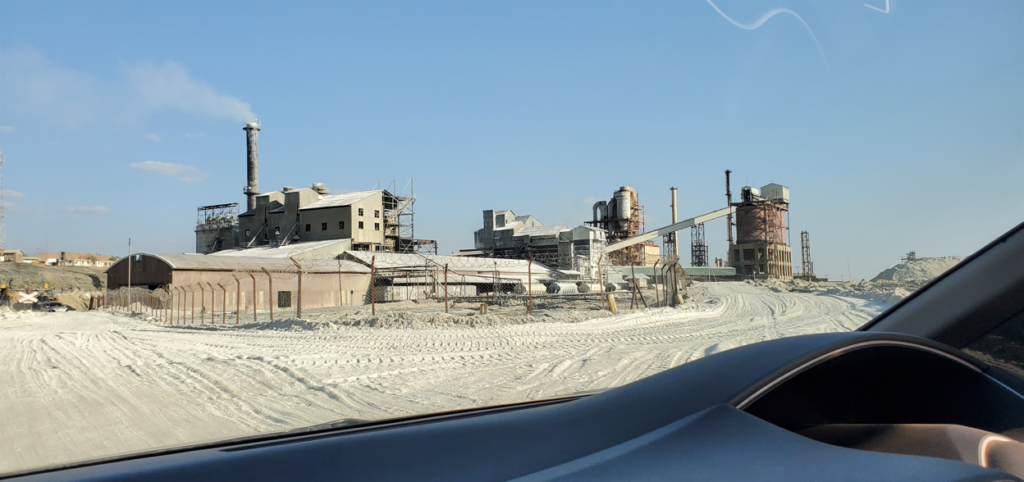
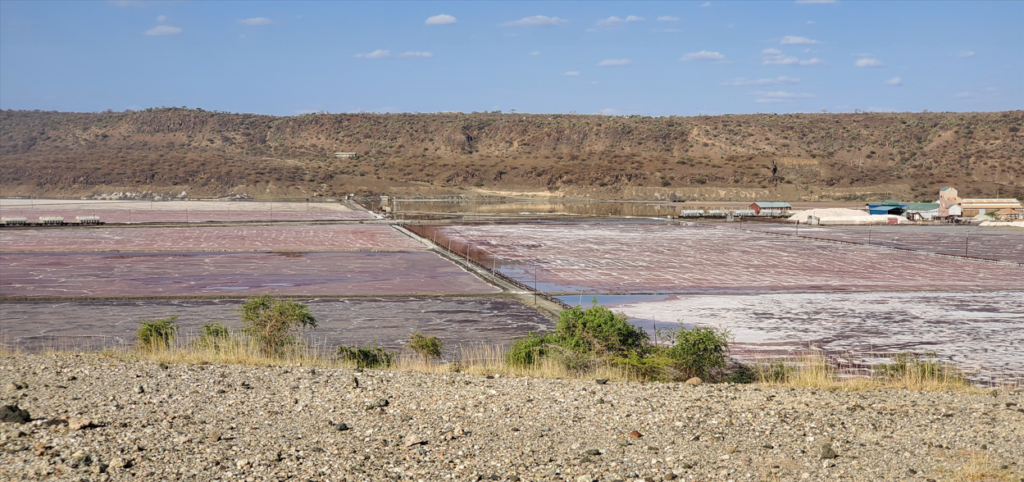
You know you’re going on a journey when the trip begins at 4:00am. Olkiramatian Village in Kajiado County, is approximately 150 km from the capital, Nairobi. Lake Magadi, home to vast deposits of soda ash and a sprinkling of flamingos, lies at the halfway line. It is also where all semblance of urban life ceases. The 87 km between Lake Magadi and our final destination were vast stretches of nothingness.
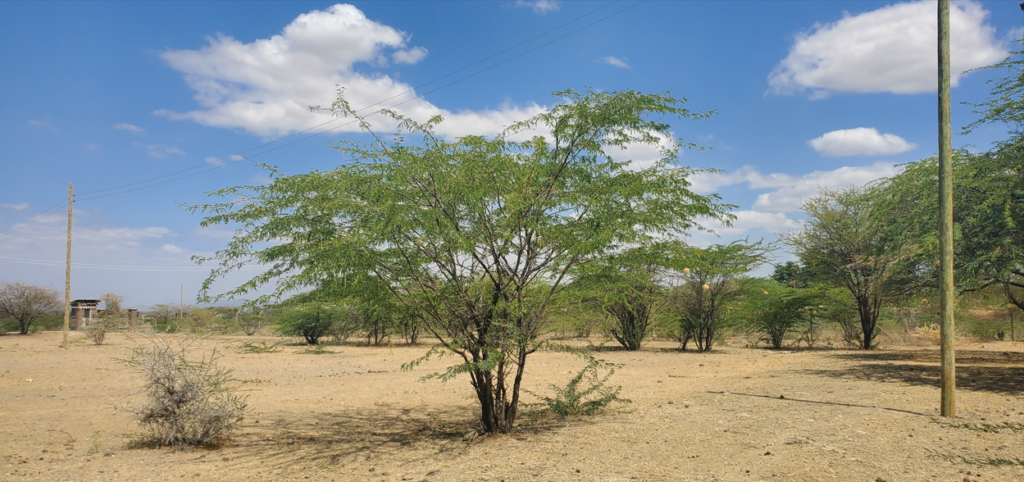
The dusty un-tarmacked road snaking through the semi-arid region wound for miles on end, only punctuated by the occasional baboon. The only indication that life existed nearby was the Mathenge (Prosopis Juliflora) that lined the road on either side.
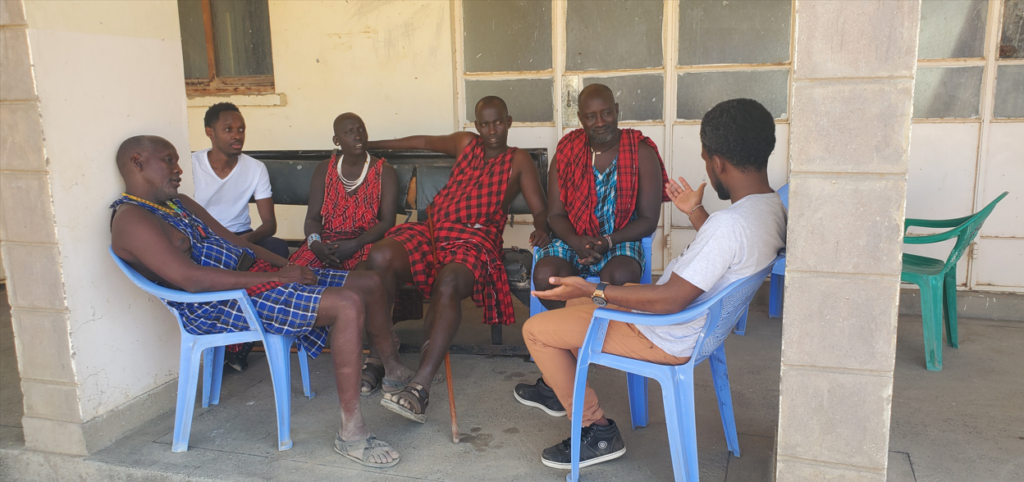
The audience at the Sustainable Land Management in ASALs dialogue was drawn from Olkiramatian and Musenke villages in Magadi. Manasiti Omar, our host and founder of the Spring of the Arid and Semi-Arid Lands (SASAL), had invited men and women across all the cultural age sets. It consisted of twenty-one women and four men who ranged in ages from 20 to over 60.
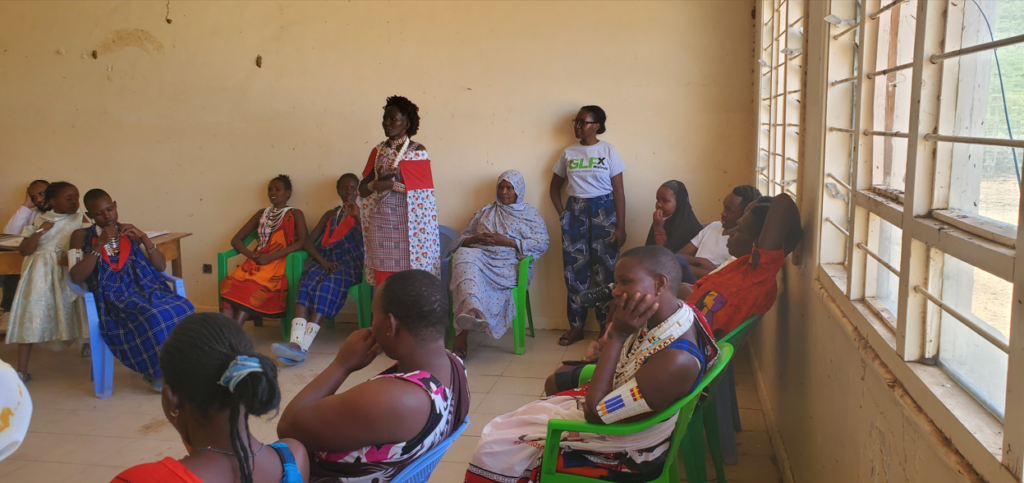
The women spoke fondly of seasons when the rains were regular and their land more productive. The milk from their goats was sufficient for subsistence with some left over for sale at the local markets. It was also during this time that they didn’t need to constantly treat their animals and spend money on supplements. However, all that has since changed. At the time of writing this, the region had not experienced a full season of rain in two years. Kenya generally has two rainy seasons in a year, therefore the region has missed four rainy seasons. This has led to a continuing drought that has had numerous negative effects.
The Maasai, who almost exclusively occupy the Magadi area, are predominantly pastoralists. Droughts therefore mean less available pasture for their vast herds of cattle and goats. The inadequate pasture leads to poor production from the animals. The sale value of the animals in the open market has also decreased by up to 40% over the years. Magadi, a region that was previously sparsely populated, is now moderately well populated. The growth in population brought with it an even bigger growth in the density of livestock in the region as every household wanted to own “enough” livestock of their own. This gradually devolved into overstocking and an overwhelmed ecosystem. The community also began practicing agriculture which led to the clearing of previously forested areas to create room for farmlands.
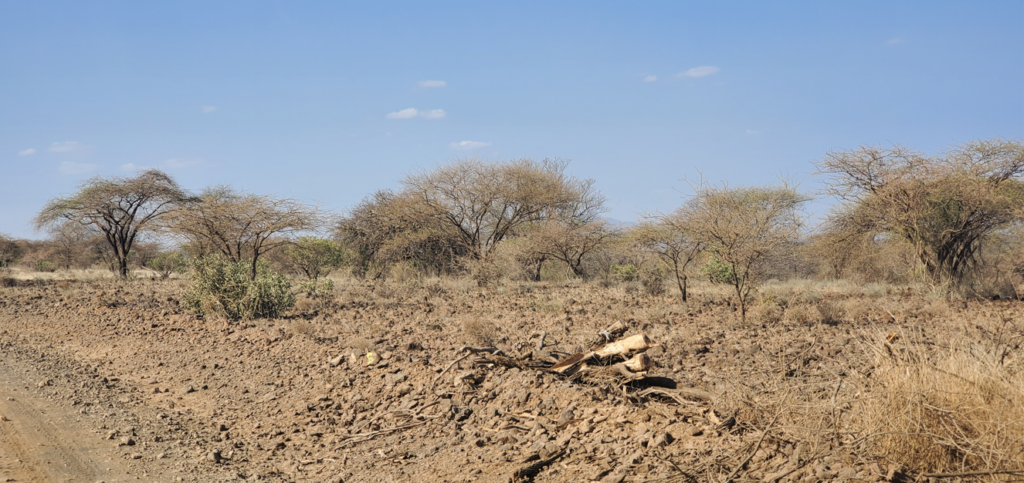
As the herds grew and the pasture dried up, someone came up with a (then) brilliant solution to the pasture problem. They introduced an evergreen plant that would make sure the livestock would always have food come rain or shine. The plant was Prosopis Juliflora, commonly known as Mathenge. The plant lived up to its reputation. Staying green throughout the dry season and spreading across the region. It seemed that the drier it got, the more Mathenge flourished. The plant has since become a thorn on the community’s side. Its thorns are very deadly and toxic. But more menacingly, the plant has grown to become an invasive species that kills almost all other vegetation in its vicinity. The plant is also thought to cause cysts in goats which has become very prevalent lately. Attempts to eradicate the plant have all failed as it spreads too fast. Animal droppings along the road or in the fields are enough to propagate it to those new locations.
The members of the community have adapted through the years. They have taken up irrigation farming at Nguramani Farms. This is a hilly area near a waterfall that has more productive soil, approximately 6km from the town hall at the Olkiramatian Group Ranch. They have also taken up ranching and reduced the sizes of their herds to ensure their cattle have sufficient pasture all year round.
There still exists a need for training on integrated farming in the area. Most of the farms under irrigation reportedly have very little tree cover which exposes them to soil erosion. Equal property ownership is yet to be achieved too as the men own all the livestock and farm produce. The women can’t independently sell the goats or the farm produce. This is despite the fact that the women are the primary careers for the goats and the crops as their husbands are out in the fields with the cattle, often for months at a time.
It has been said that the mark of a good translator is both sides of the language barrier enjoying a joke, and our translator held her own. After three hours of eye opening conversations filled with anecdotes of the good old days, it was time for us to hit the road. But not before our host treated us to the kind of lunch that would make a vegetarian cringe, as was culturally appropriate.