In the heart of Kenya lies the serene yet endangered Oloolua Forest, facing threats from illegal logging, waste dumping, and encroachment. But there is hope! This Project will bring together diverse stakeholders to safeguard this invaluable natural treasure.
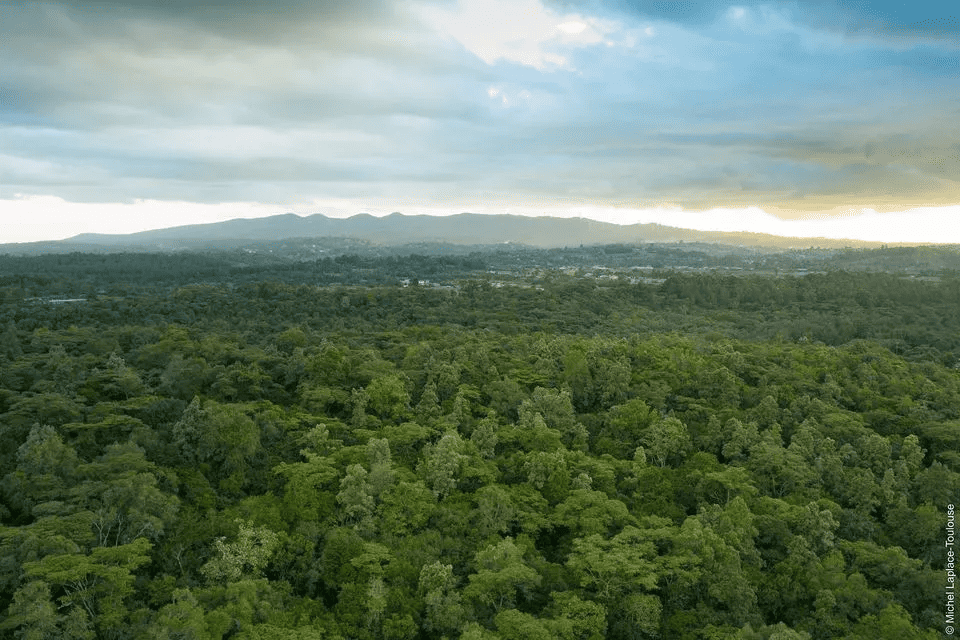
Copyright: Michel Laplace-Toulouse
At its core, the project champions multi-stakeholder partnerships, recognizing that the collective efforts of communities, government agencies, NGOs, faith-based organizations, and the private sector are indispensable in tackling the complex challenges facing the forest.
This project will contribute to the restoration and conservation of the forest by supporting the work of Oloolua Forest Management Committee in implementing its Participatory Forest Management Plan (PFMP). It will specifically:
- Multi-Stakeholder Collaboration: Through the establishment of a dedicated forum, the project cultivates a culture of collaboration, bringing together diverse actors to invest in conservation and restoration efforts. This inclusive approach ensures that voices from all sectors are heard and valued.
- Knowledge Sharing and Capacity Enhancement: By leveraging partnerships with research and learning institutions and the local communities, the project facilitates knowledge exchange and skill development in forestry and related areas. This holistic approach ensures that stakeholders are equipped with the tools and insights needed to drive impactful change. Additionally, by sensitizing local communities and enhancing the capabilities of forest user groups, the project fosters a deeper understanding of climate change, sustainable forestry practices, and value chain development.
- Policy Advocacy: Recognizing the pivotal role of policy in shaping conservation and restoration outcomes, the project advocates for the formal recognition of Participatory Forest Management by Nairobi and Kajiado counties. By championing policies that prioritize community engagement and non-intrusive value chains, the project lays the groundwork for sustainable forest management practices.
This project isn’t just about saving one forest. Beyond the immediate benefits of forest conservation and restoration, the project seeks to catalyze a paradigm shift in urban forestry management. By showcasing the importance of community engagement, highlighting the nexus between forest conservation and climate resilience, and advocating for multi-stakeholder collaborations, the project sets a precedent for sustainable urban forestry practices.
As we embark on this journey, guided by the six key elements of integrated landscape management and the 10 principles of a landscape approach and a shared vision of land restoration and collaboration, we invite all stakeholders to join hands in safeguarding the Oloolua Forest for generations to come.