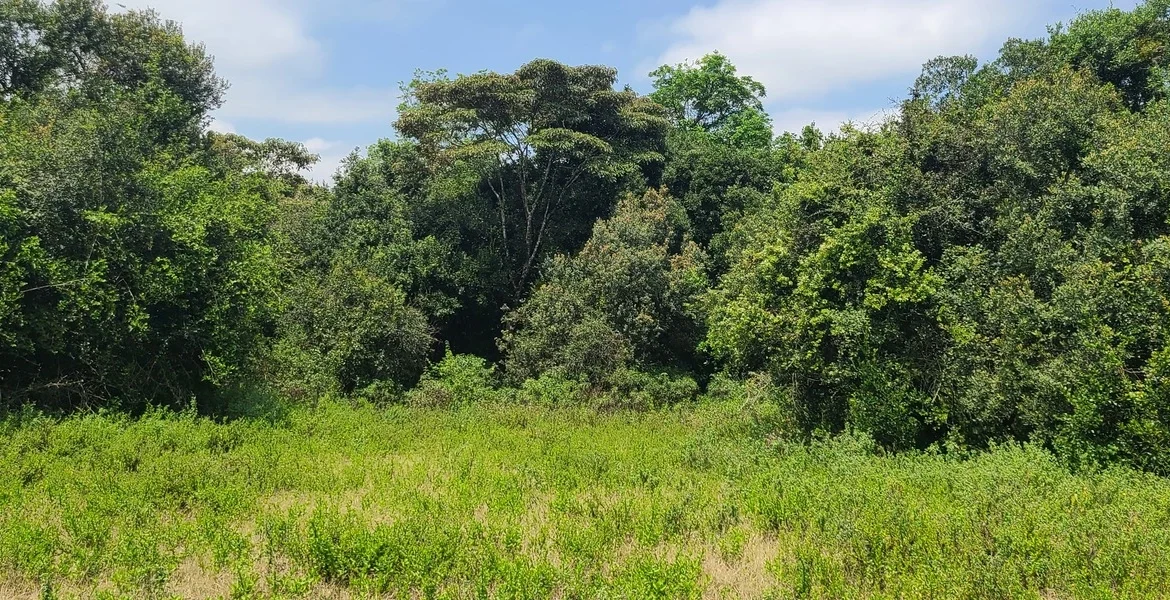
In the heart of Kenya, Oloolua Forest is a hidden gem in the Karen area of Nairobi. Gazetted in 1932, this urban forest spans 618 hectares and is managed by the Kenya Forest Service.
During the colonial era, Oloolua Forest served as a strategic base for the Mau Mau freedom movement. This historical significance adds to the forest’s cultural and national importance, making its preservation not just an environmental imperative but also a duty to Kenya’s rich history.
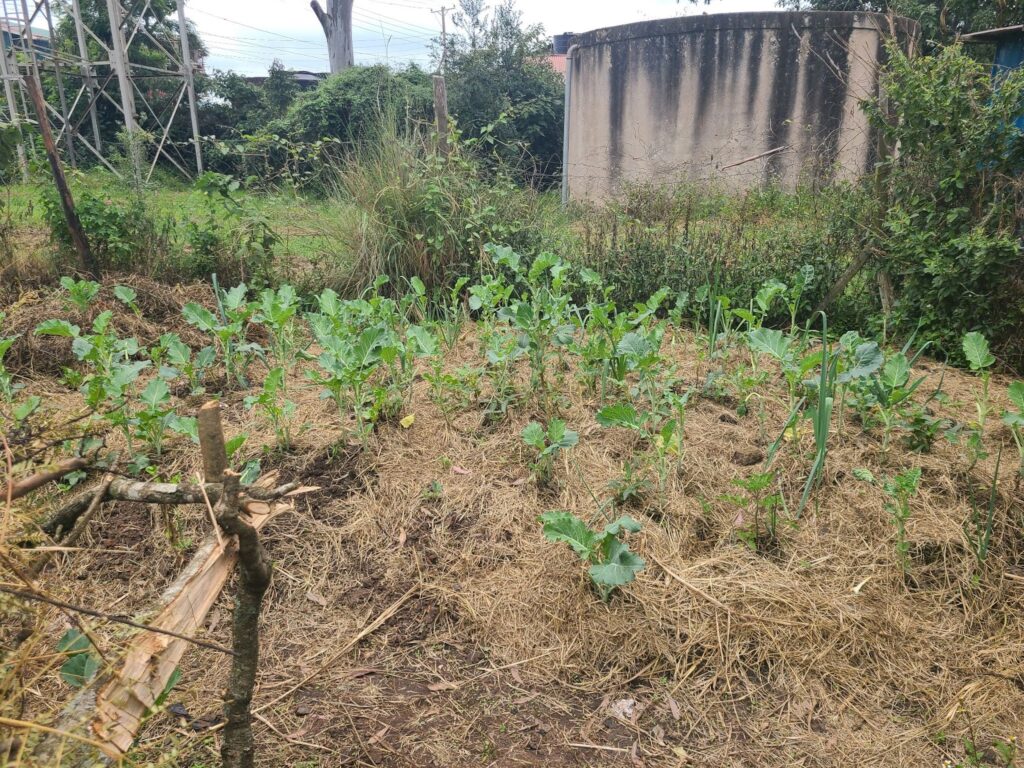
Oloolua Forest serves as a vital sanctuary not only for its diverse flora and fauna but also for the local communities that call it home. Schools, markets, and churches within and around the forest benefit from its presence. The forest provides a peaceful escape for recreation and relaxation, offering trails ideal for walking, jogging, and nature observation, which are crucial for physical and mental well-being. As a living laboratory, it supports educational programs that raise awareness about conservation and biodiversity, with research links ensuring the dissemination of scientific findings. Economically, Oloolua fosters eco-friendly income-generating activities such as beekeeping, tree nurseries, and ecotourism, creating jobs and promoting sustainable practices. Ongoing research into agroforestry and sustainable agriculture further enhances soil nutrients and supports local farmers, contributing to food security and the overall well-being of the community.
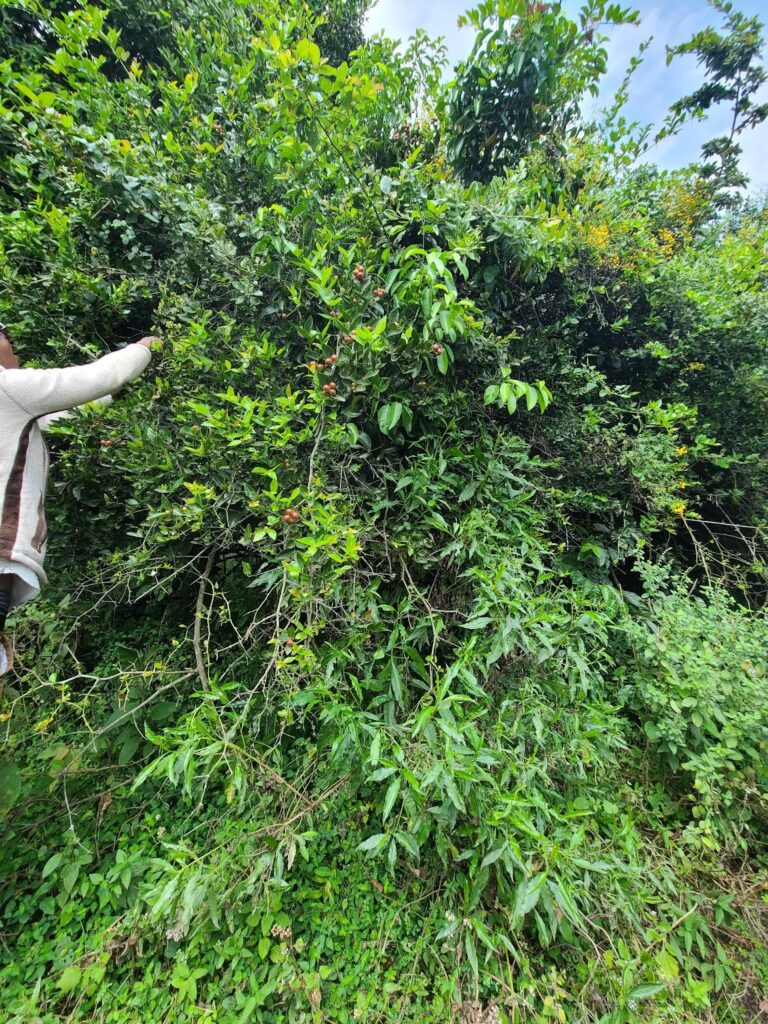
Despite its historical and ecological value, Oloolua Forest faces numerous threats. Nearby residents and environmentalists have raised concerns over land grabbing, encroachment, and destruction by private developers. The Kenya Forest Service must enforce stricter regulations to protect the forest. Additionally, monitoring biodiversity changes and mapping threatened species require continuous effort and resources. Addressing these issues is crucial to safeguarding Oloolua’s future.
The restoration and conservation of Oloolua Forest offer numerous opportunities to enhance its ecological and community value. Multi-stakeholder collaboration can mobilize partners and resources, creating a robust conservation system by engaging local communities, government agencies, NGOs, and the private sector. Research and innovation opportunities abound, with potential for extensive studies on biodiversity, livestock carrying capacity, and soil nutrients, along with establishing demonstration plots for agroforestry practices. Additionally, exploring alternative energy sources (renewable energy) can further sustainable efforts. Training Forest Action Committees (FAC) on energy conservation and implementing eco-friendly practices will contribute to a greener and more sustainable future for Oloolua Forest.
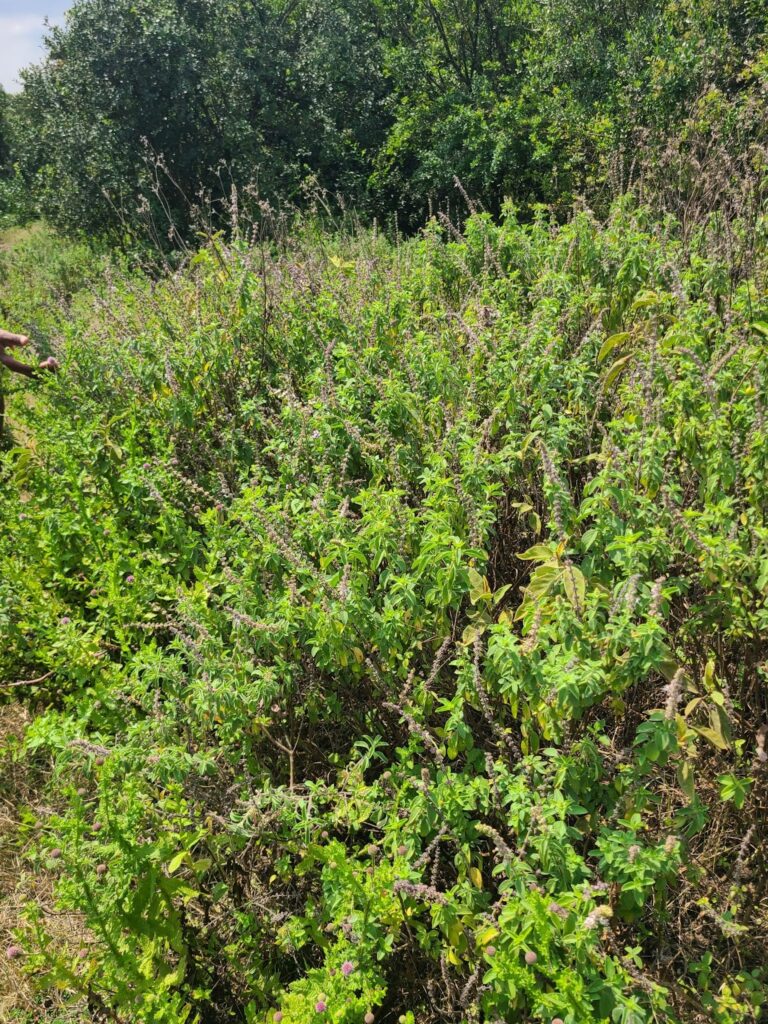
Oloolua Forest is more than just an urban green space; it is a vital ecological and cultural asset. By addressing the challenges and leveraging the opportunities, we can ensure that Oloolua Forest thrives for generations to come. Through collective efforts and sustainable practices, the forest can continue to provide immense benefits to the local community, the environment, and Kenya’s rich heritage. We invite all stakeholders to join hands in safeguarding the Oloolua Forest. Your involvement, whether through partnership, advocacy, or active participation in conservation efforts, is crucial to preserving this invaluable natural treasure.