Ololua Forest, one of the three forest blocks in the Ngong Hills Forest Reserve, is a critical natural asset providing essential ecosystem services to surrounding communities. However, like many urban forests, it faces numerous threats, including illegal logging, waste dumping, encroachment, and overgrazing, leading to its degradation. The Participatory Forest Management Plan (PFMP) for Ngong Hills was developed by the forest management to involve local communities in the sustainable management and conservation of these forests.
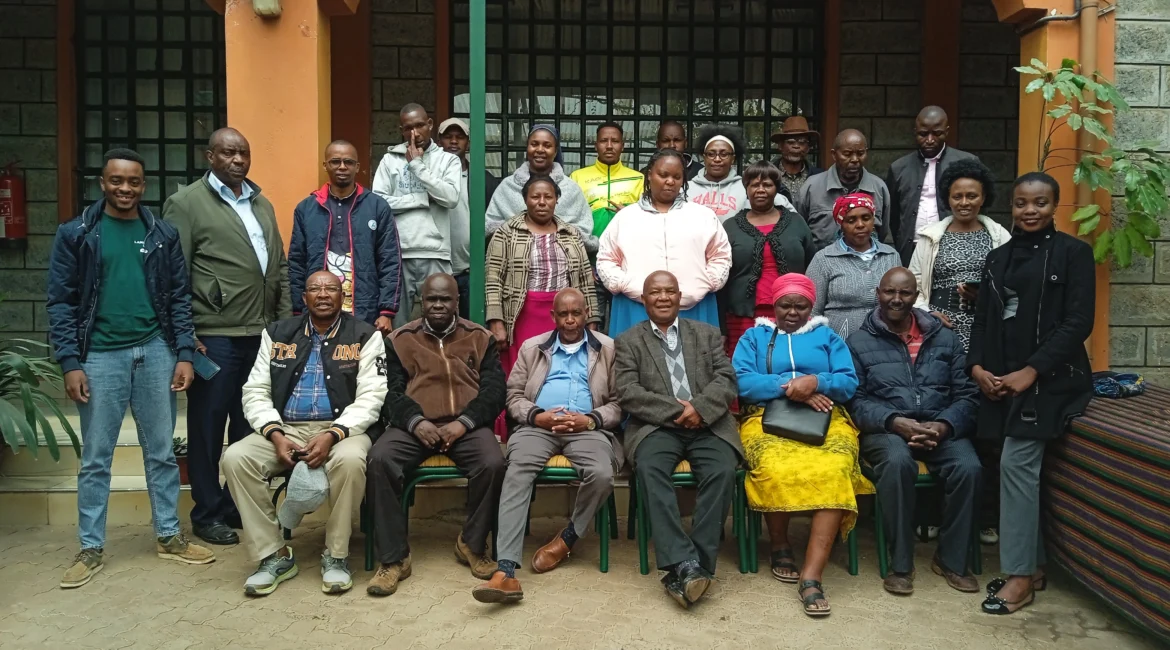
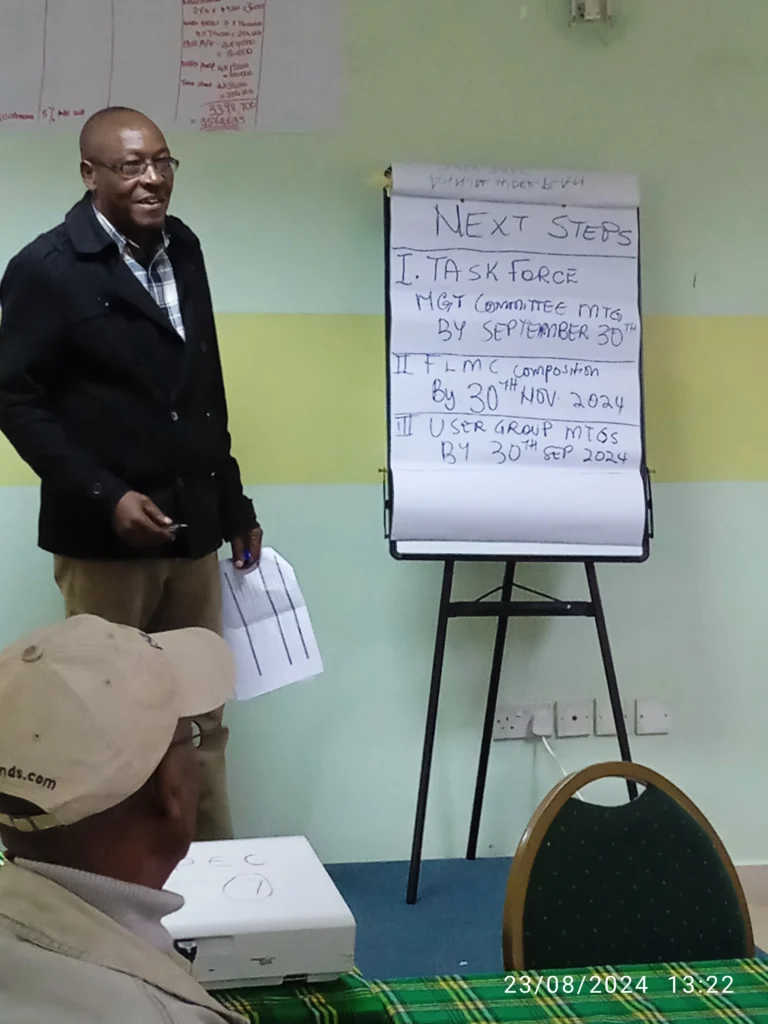
In August 2024, GLFx Nairobi organized a two-day workshop aimed at strengthening the capacity of the Ngong Hills Metro Community Forest Association (CFA) leadership and various forest user groups to better understand and implement the PFMP. The workshop fostered a collaborative environment where participants engaged in discussions, developed work plans, and identified actionable steps to improve forest management.

Day 1: Building Awareness and Understanding of the PFMP
The first day of the workshop focused on familiarizing participants with the key aspects of the Participatory Forest Management Plan (PFMP). The session provided a clear understanding of the Forest Management and Conservation Act, 2016, which serves as the legal foundation for sustainable forest governance. Participants were introduced to the PFMP framework, its objectives, and its importance in ensuring the long-term conservation of the forest.
Key discussions revolved around the practical applications of the PFMP, including how it can enhance forest management at the community level. Participants actively engaged in conversations about challenges such as illegal logging, inadequate resources, and human-wildlife conflicts, while also exploring potential solutions within the PFMP framework.
The day concluded with an interactive session where participants shared their expectations for the workshop and expressed their commitment to transforming the PFMP from a policy document into a practical guide for daily forest management. They emphasized the need for greater community involvement and stronger collaboration among stakeholders to ensure the plan’s success.
Day 2: Vision Mapping and Action Planning
The second day of the workshop focused on future planning and creating tangible outcomes. Participants were encouraged to think critically about the future they envision for the forest, highlighting the importance of biodiversity, sustainable livelihoods, and community stewardship.
Key challenges such as forest land grabbing and resource shortages were discussed, with participants proposing solutions to address these issues. This helped clarify the immediate steps needed to overcome obstacles and enhance forest management.
The second part of the session was dedicated to action planning, where user groups worked together to develop specific, practical work plans. These plans outlined how different forest user groups—such as eco-tourism operators, beekeepers, and tree nursery managers—would contribute to the implementation of the PFMP. Participants also explored ways to strengthen partnerships with other stakeholders, ensuring alignment with the shared goal of sustainable forest management.
Workshop Outcomes and Future Steps
The workshop concluded with a strong sense of commitment and collaboration among participants. The discussions and work plans developed over the two days provided a clear roadmap for how CFA leadership and forest user groups would work together to implement the PFMP. By addressing key challenges and setting actionable goals, the workshop laid the foundation for more effective community-led forest management.
Moving forward, there will be a continued focus on stakeholder engagement to ensure the long-term success of these initiatives. Regular follow-up meetings and collaborative efforts will help maintain momentum and ensure that the actions identified during the workshop are fully implemented.
The workshop not only empowered CFA leadership and user groups with the knowledge and tools to enhance forest management but also fostered a stronger sense of unity and purpose within the community. The next steps include monitoring progress, refining work plans, and continuing to engage local stakeholders in forest restoration efforts.
Written by Canol Emeke