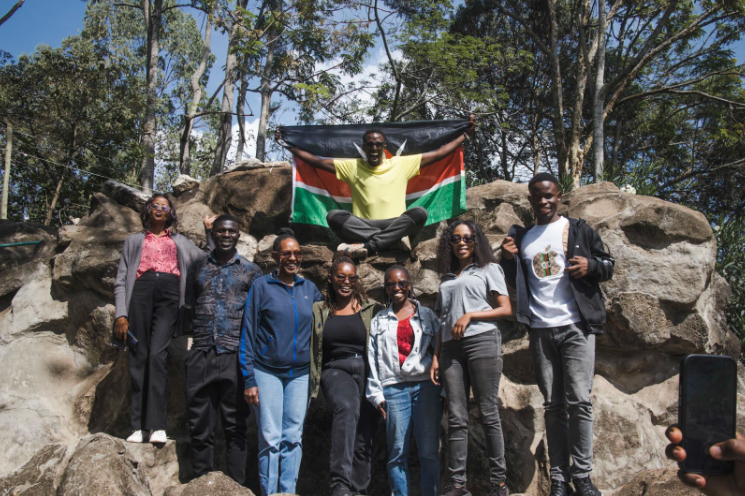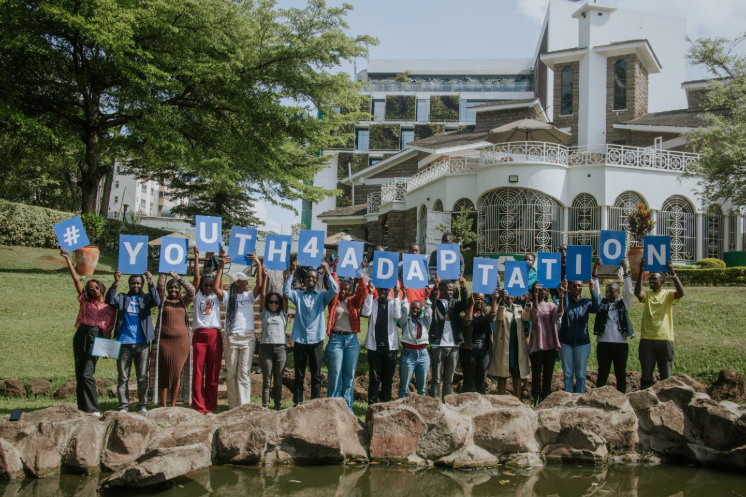
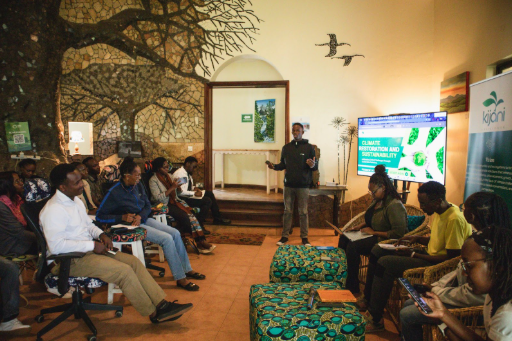
Kijani Resilience successfully implemented the Urban Climate Adaptation Training for Kenyan Youth: Education to Employment Pathway, a hands-on capacity-building program designed to equip urban youth with practical climate adaptation skills while directly linking learning to employment and entrepreneurship opportunities in the green economy. The program was delivered through a combination of virtual learning sessions and intensive in-person training, building a strong foundation of knowledge before moving into hands-on application. The training was implemented under the GCA–Masinde Muliro University Small Grant Initiative, aligned with Kijani Resilience’s role as the official Global Center on Adaptation (GCA) Youth Focal Point partner in Kenya for the Africa Youth Adaptation Network (YAN). The initiative also responds to a clear need identified through youth engagement: urban youth are eager to participate in climate action, when it is locally relevant, participatory and solution-focused.
Our Program Design and Approach
The training adopted a youth-centred, experiential learning model, combining expert facilitation, peer learning and case studies. We delivered high-impact sessions that strengthened participants’ confidence, leadership and technical understanding of urban climate adaptation.
The virtual program was on the GCA Youth Toolkit, covering Modules 1 to 8 and was delivered over five structured sessions. These sessions introduced participants to the fundamentals of climate adaptation while progressively building leadership, policy and action-design skills.
Participants explored:
- Climate change fundamentals and vulnerability concepts (Modules 1–3), with a focus on vulnerable groups and inclusive adaptation planning.
- Youth-led climate adaptation solutions, drawing on African case studies and peer learning (Module 4).
- Soft skills for youth leadership, including communication, collaboration, and facilitation (Module 5).
- Climate adaptation policies at local, national, and international levels (Module 6).
- Designing adaptation advocacy strategies and action plans (Modules 7–8).
- A dedicated session on fundraising and grants, equipping youth with insights into climate finance and resource mobilisation.
This virtual phase ensured the youths attending the physical sessions have a shared understanding of adaptation concepts and a clear guideline of how youth can influence systems and decision-making.
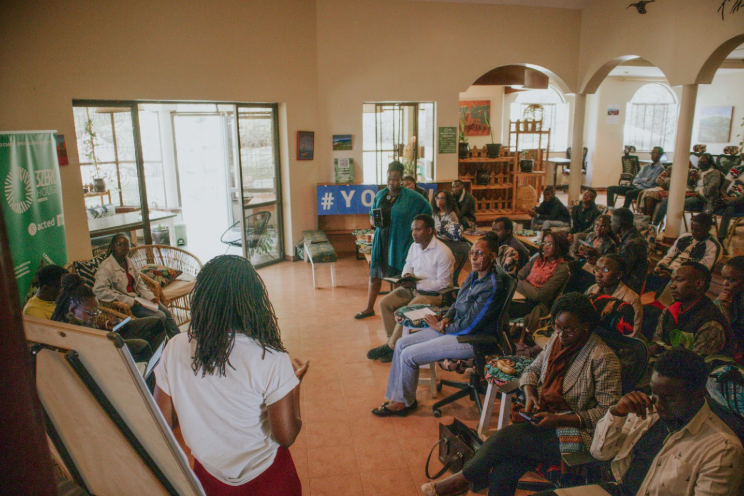
The physical sessions focused on the foundational skills and practical frameworks
- An expert-led advocacy session introduced youth to policy engagement and strategic climate advocacy.
- A waste management training exploring circular economy principles and urban waste solutions.
- Participants engaged in adaptation action planning, working in groups to evaluate climate risks and design locally relevant interventions.
- Urban ecosystem restoration and urban agriculture, highlighting nature-based solutions and climate-smart food systems.
The day concluded with group and peer mentorship sessions, allowing participants to deepen learning across ecosystem restoration, agriculture, and waste management tracks. We also had a special session on fundraising and finance, led by the Youth Adaptation Network focal points, providing a deeper dive into youth approaches to climate finance and sustainability.
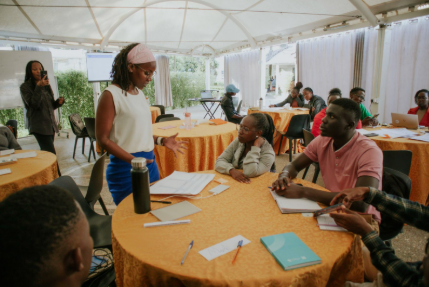
Day 2: The second day emphasised inspiration, application and future pathways:
- Reflections from experts, facilitators, and mentors reinforced key lessons from Day 1.
- A keynote session led by Akinyi Chemutai (Kijani Resilience) explored climate adaptation from global to local perspectives and the co-design of youth-led solutions.
- Participants were inspired by a real-life adaptation showcase from Sam Okemwa, CEO of M-Situ and a GCA YAN alumnus, demonstrating how innovation can translate into impact and enterprise.
- The program concluded with group pitching and feedback sessions, certificates of participation, and a closing ceremony celebrating youth leadership and achievement.
Key Outcomes and Lessons
The program demonstrated that Kenyan urban youth are ready and willing to lead community-based climate adaptation efforts when provided with the right tools and support.
Key lessons included:
1. Real-life-based demonstrations or local context really played an important part. The participants could relate to the facilitators, mentors and training modified to their local context.
2. Youth are eager to act but lack structured opportunities! Limited access to platforms, funding, mentorship and niche technical training to translate ideas into real adaptation projects.
3. Beyond skills and knowledge, the training helped build something equally important: connections. Participants joined a growing network of youth leaders working on adaptation across Kenya and the wider African Youth Adaptation Network.
Our Reflection
Managing a small grant from the Global Center on Adaptation and implementing the replication training strengthened our ability to drive adaptation action at the local level. It allowed us to move from ideas to practice by equipping young people with real skills, testing adaptation tools in urban contexts and building confidence to lead community-based solutions. The experience also strengthened our institutional capacity to design, deliver and scale youth-led adaptation programs in Kenya. As we continue this journey, we remain committed to supporting youth across Kenya to turn climate knowledge into action and build resilient communities.